The German listing photo has a light problem
Across thousands of listing photos, the same five themes keep coming back. Exposure leads by a wide margin, followed by distracting objects, missing details, and gray skies. On average, every uploaded photo receives 2.5 fixes, usually combined in a single editing pass.
Fig. 1
Share of all photo corrections by category
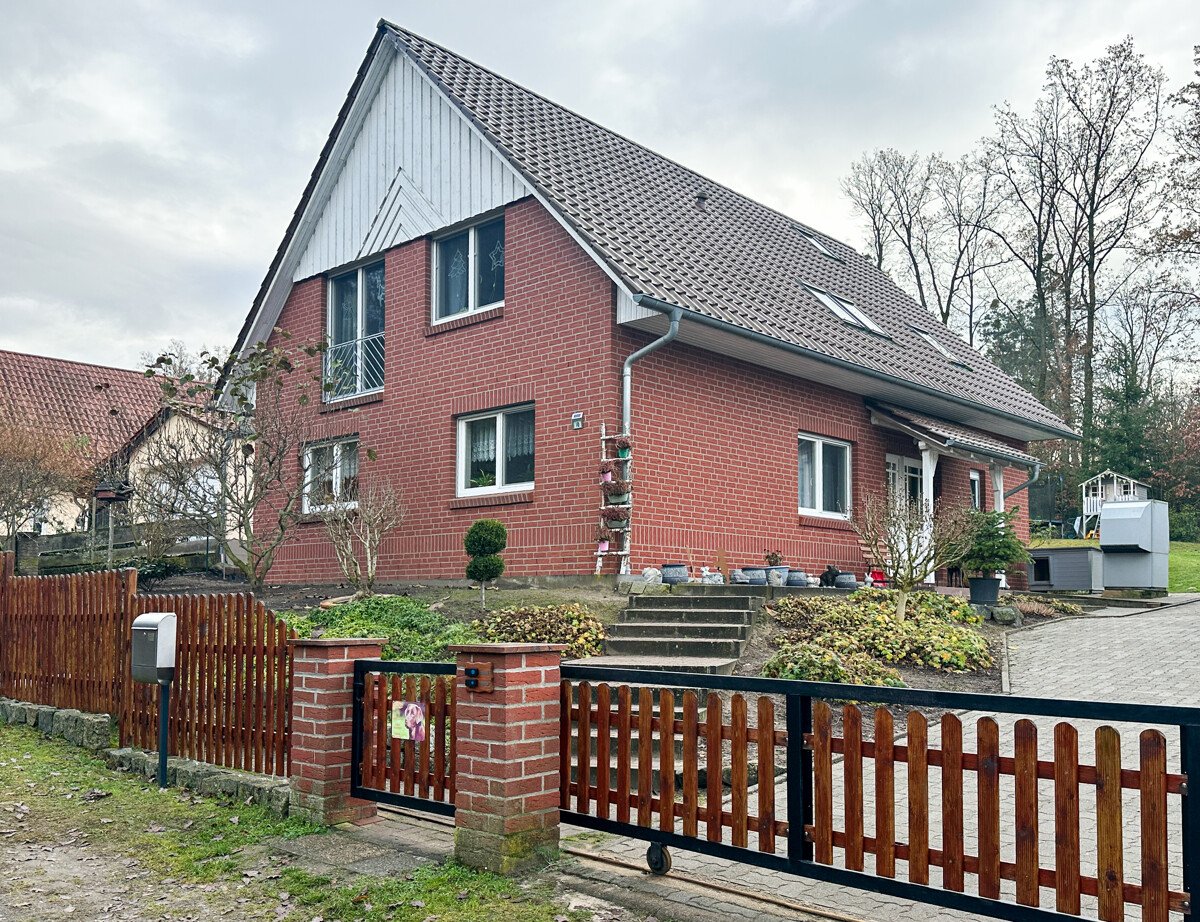
Before
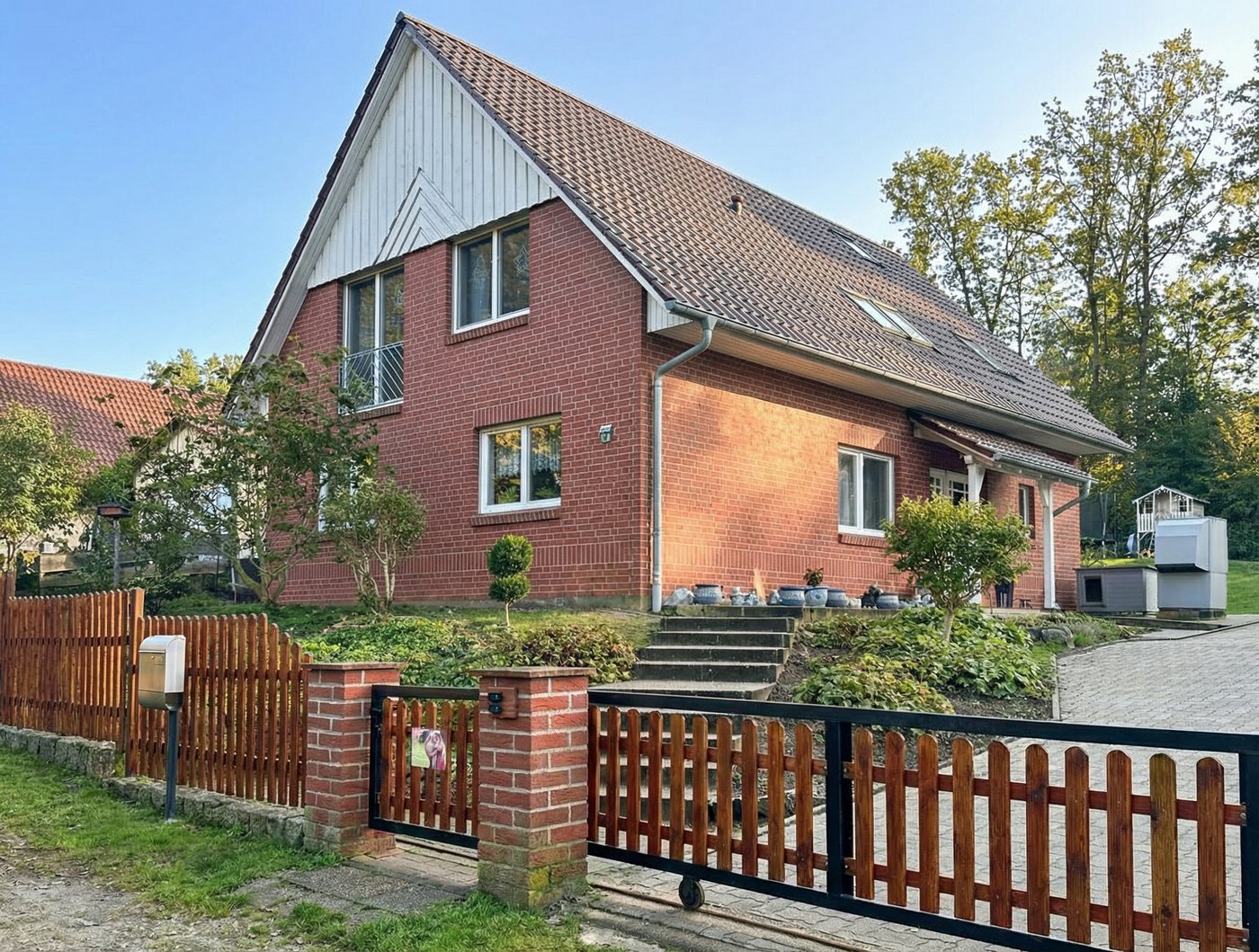
After · AI-edited
Exposure and colors (38%). Most photos are taken in difficult light. Rooms too dark, colors washed out, shadows too hard. A clean exposure correction is by far the most common fix.
Distracting objects (27%). Trash bins, parked cars, cables, personal belongings. More than one in four corrections removes objects that pull attention away from the property.
Decor and details (14%). Small touches like fresh flowers or neatly folded towels make a room more inviting without changing it.
Gray skies and weather (12%). A sky replacement turns an overcast day into a friendly shot. How strongly this depends on the season is the subject of the next chapter.
Empty rooms (9%). Virtual staging gives empty rooms a credible interior so buyers can picture living there. Looking at interior photos alone, 34 percent of edits included staging.
When agents edit, they edit visibly
94 percent of edits run at full strength, only a small remainder in the subtle setting. Agents want a visible difference, not a gentle touch-up. Anyone who considers AI editing in real estate a minor gimmick can see in this data how decisively agents change their photos.
What ends up in front of the camera
Which rooms agents photograph at all is the filter every correction passes through. The living room clearly dominates, followed by bathroom, kitchen, hallway, and bedroom.
Fig. 2
Distribution of room-typed interior photos
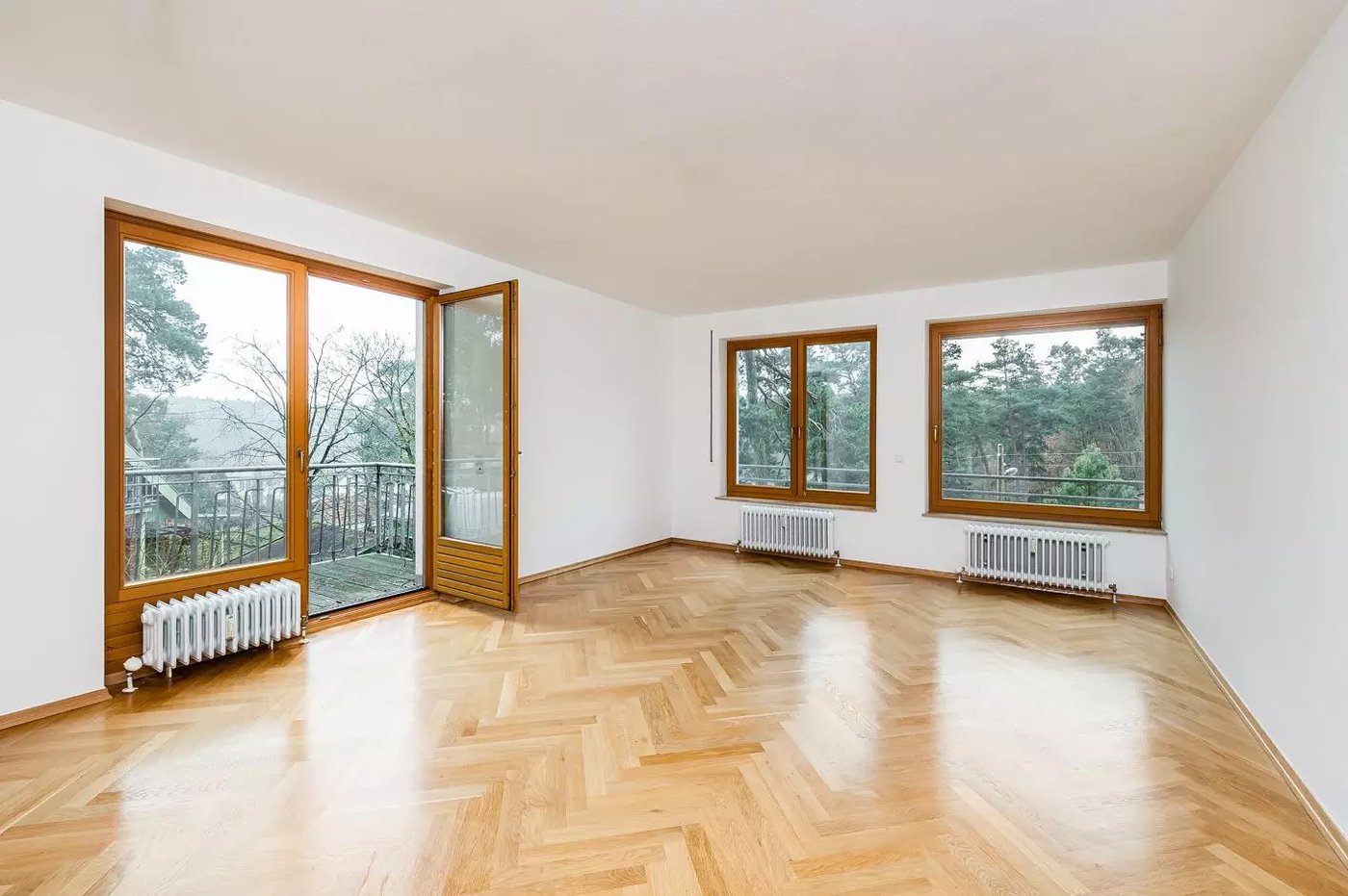
Before
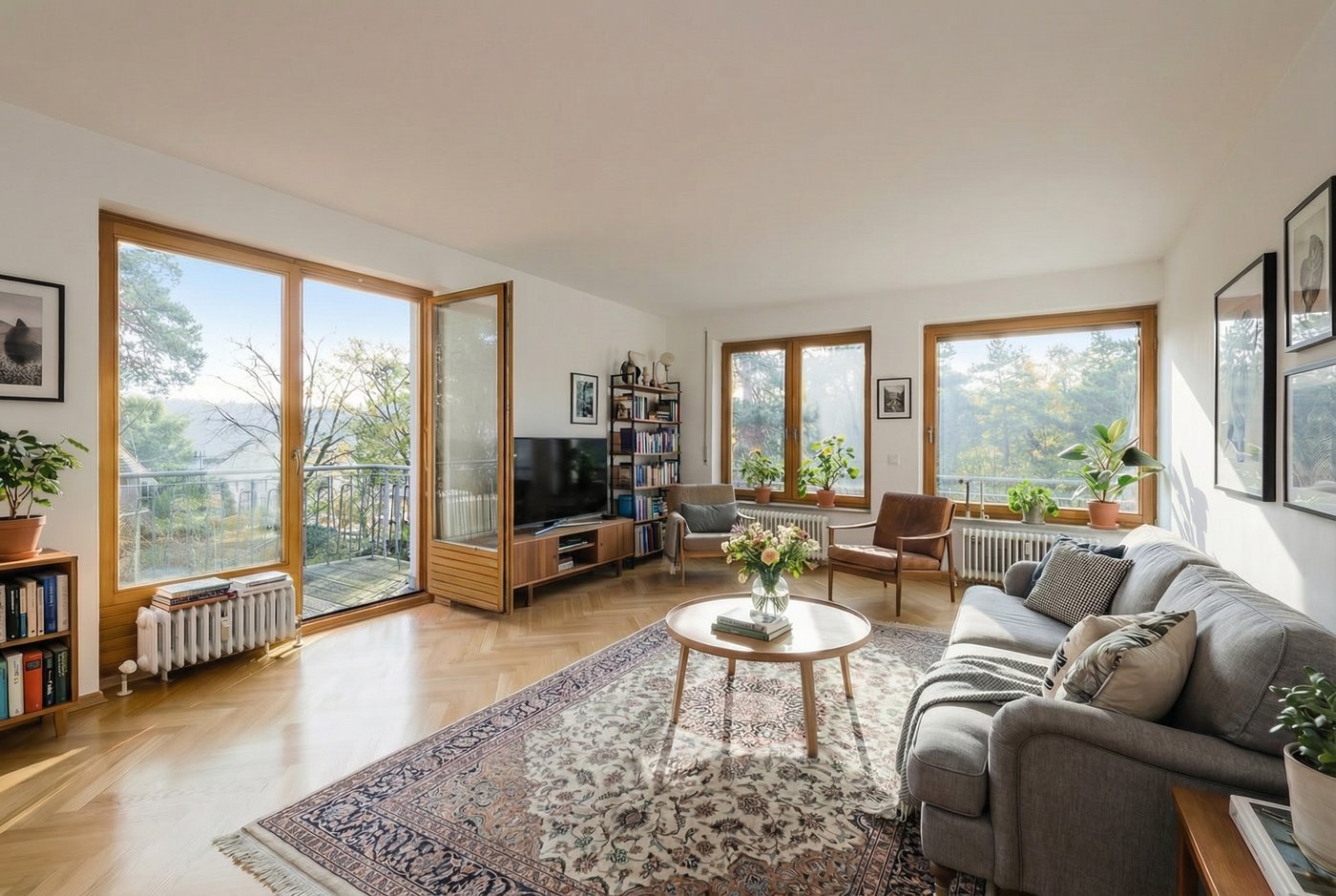
After · AI-edited
The gray sky: a German listing phenomenon
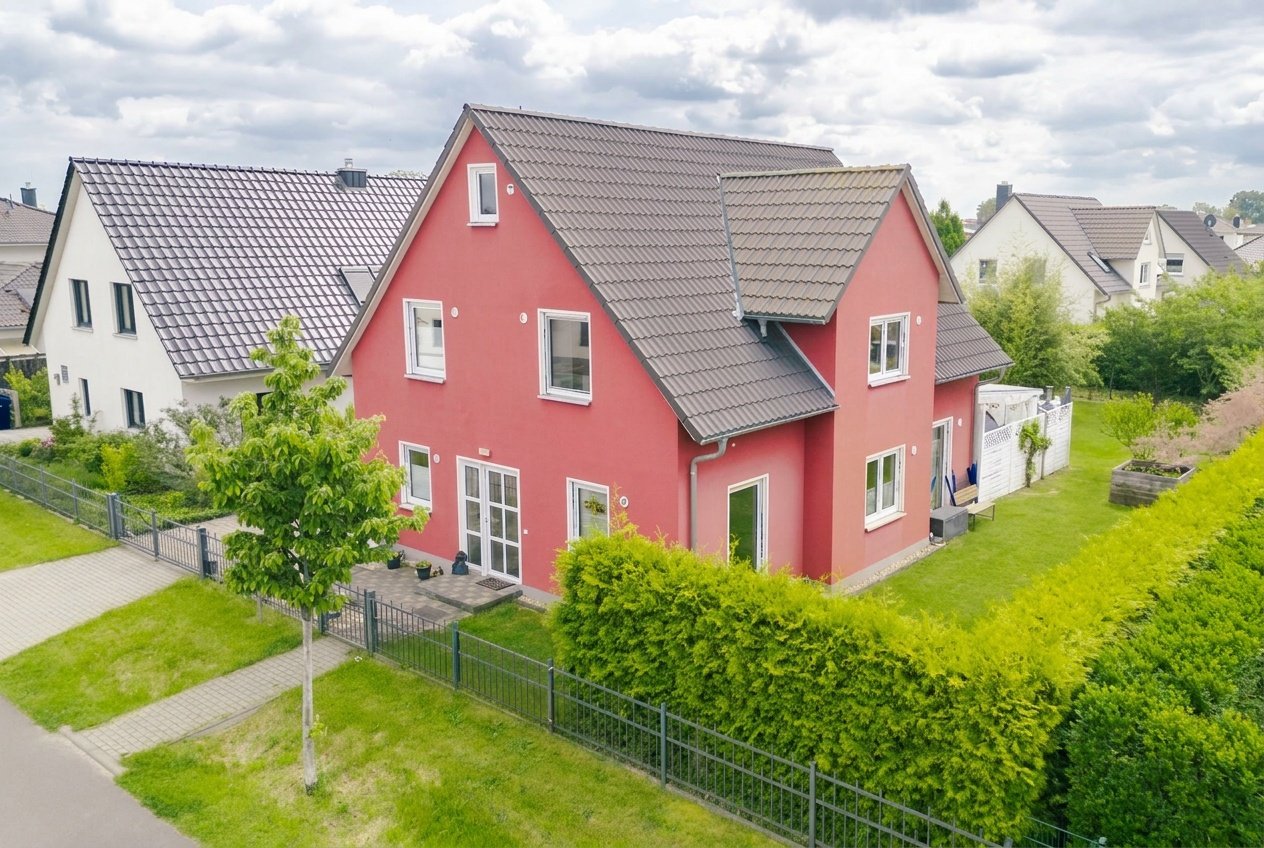
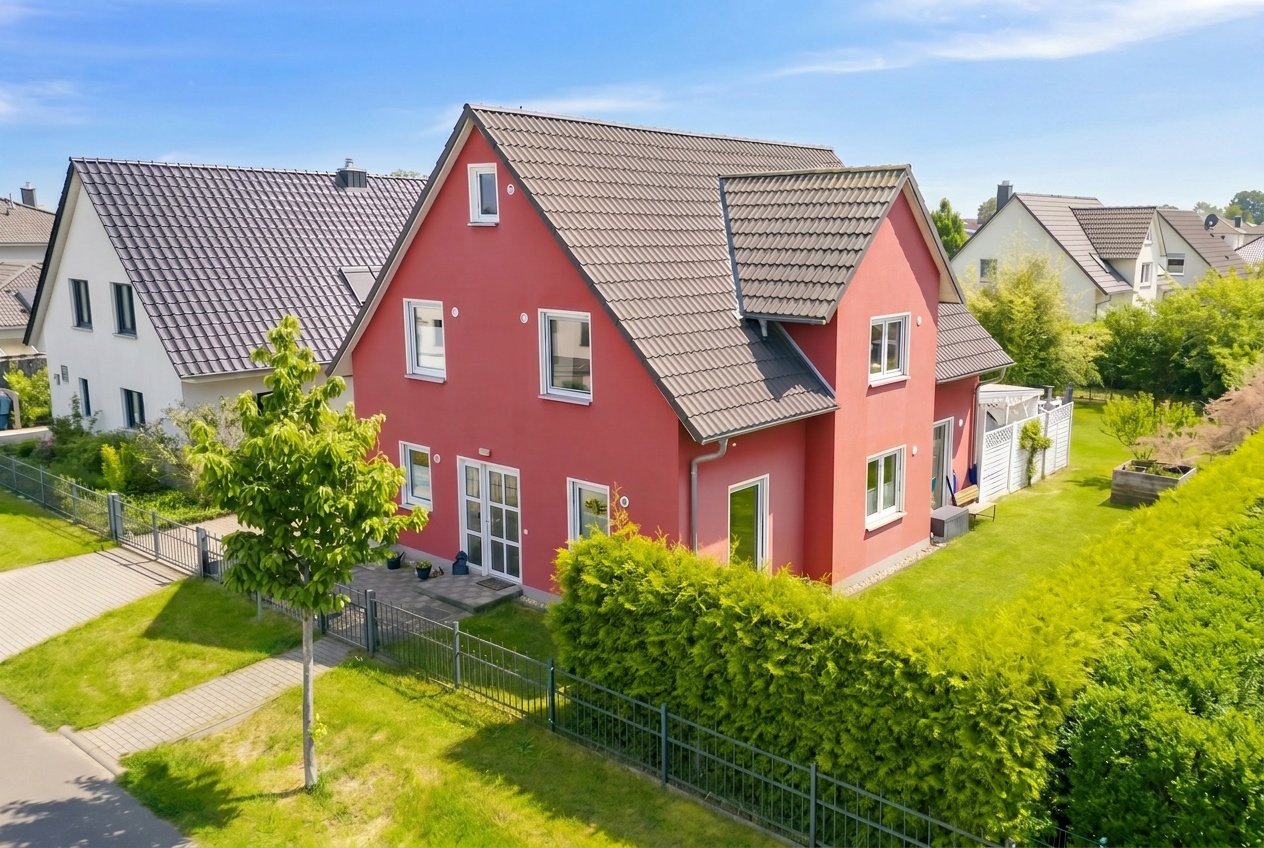
In January 2026, every second AI edit included a sky correction. By May it was one in seven. No other fix depends on the season as strongly as replacing the sky.
Fig. 3
Share of all AI edits with a sky correction, by month
Before
After · AI-edited
In January 2026, sky corrections were part of 65.7 percent of all AI edits, in May 13.3 percent. Taken over the whole period, sky corrections in winter (January and February, 37.9 percent) are about 2.2 times as common as in spring (April and May, 17.1 percent). The figures show shares, not absolute volumes, so the effect is independent of the platform's growth.
In practical terms: exterior shots taken in the dark months often look more tired in a spring listing than the property deserves. A sky correction pays off most where the raw photo and the listing photo are furthest apart. And that is exactly where agents reach for it most often.
Methodological note: the observation window covers the first five months of 2026. A twelve-month analysis will draw the seasonal curve more sharply, but the effect is already clearly measurable in this data.
96 percent: when the AI hits the mark
Agents publish 96 percent of all AI edits in their listings. The number does not measure what the AI does, it measures what actually gets used. That makes it the most robust effectiveness figure in this study. The basis is over 6,000 analyzed edits, of which only 4 percent were reported and rejected.
Acceptance rate
of the over 6,000 AI edits are accepted and published in the listing.
One attempt is usually enough
62 percent of edited photos are done after a single pass, the rest get reworked once or twice. That fits the high acceptance rate: on the first attempt, the AI usually already delivers what the agent had in mind.
Fig. 4
Number of edits per photo
Where agents draw the line for AI
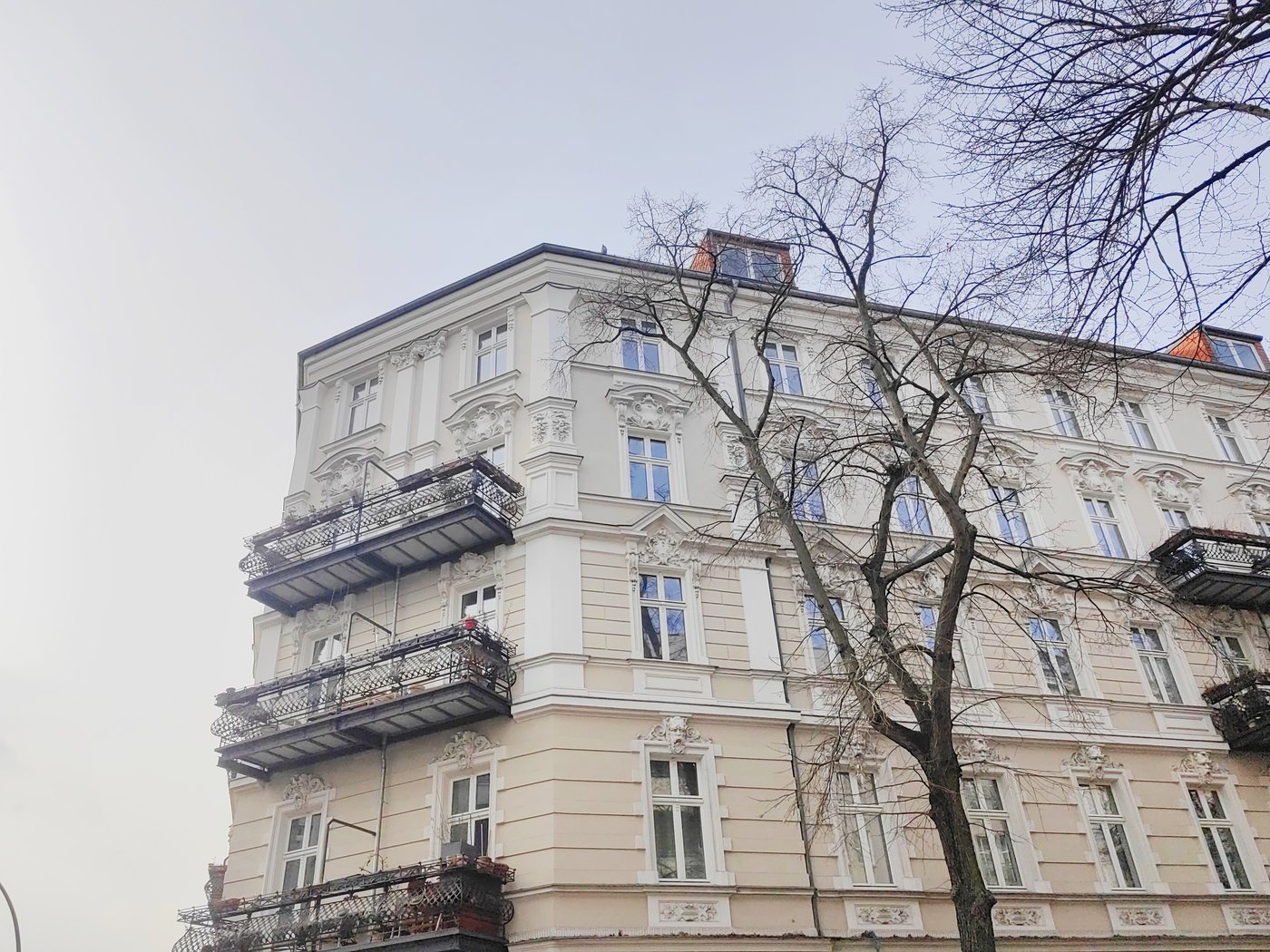
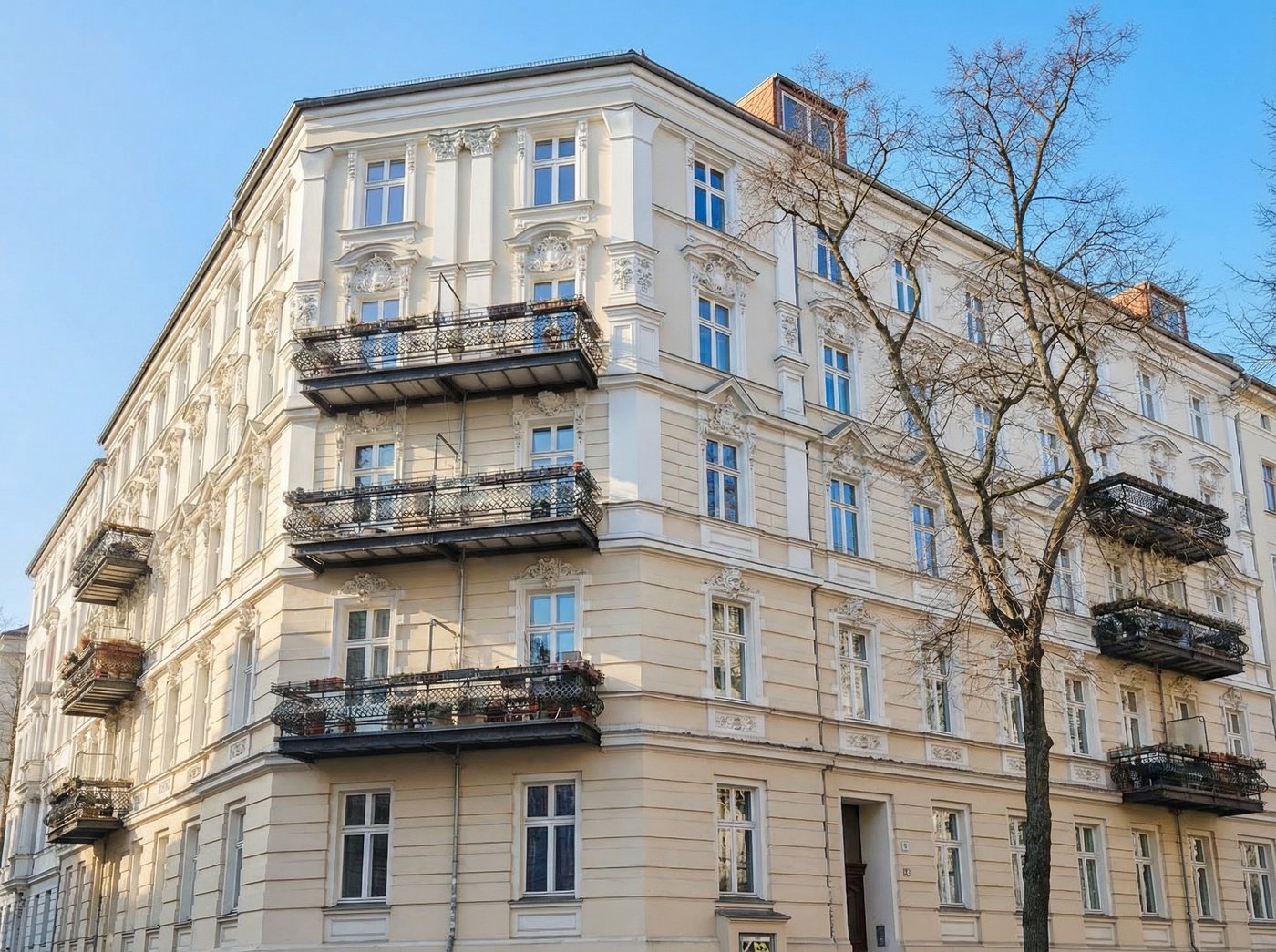
When agents reject an AI edit, it is almost always for the same reason: the AI altered or invented a structural feature. Professional practice and legislation converge on the same point. The 4 percent of rejected edits are not randomly distributed. The largest category by far is altered or invented structural features. A window that does not exist, a door in the wrong place, a wall that moved. More than a third of all complaints fall into this group.
Fig. 5
Distribution of rejection reasons
Before
After · AI-edited
In this example, the AI changed details on the facade and removed the tree. Even when the result looks pretty, agents consistently reject edits like this. Enhancing is fine, inventing or altering permanent structural features is not.
The law draws the same line
The line agents draw in practice matches the legal one. Already today, a photo that hides a defect or alters a feature relevant to the purchase can count as misleading under Section 5 of the German Unfair Competition Act (UWG). From August 2, 2026, Article 50 of the EU AI Act adds an EU-wide requirement that AI-modified images be recognizably disclosed.
At Immopix, every AI edit is automatically checked for whether permanent features such as windows, doors, walls, or the roofline remained unchanged. 96.2 percent pass this check without objection. In 3.8 percent of cases the check flags a possible structural change for review, and 2.3 percent reach the highest warning level. These cases reach the agent with a clear notice before they go into the listing.
What agents ask for in their own words
A third of all AI edits include a free-text instruction rather than only a preset. 33 percent of the over 6,000 edits carry such an instruction, and we analyzed all over 2,000 of them. The most striking pattern: one in six instructions explicitly asks the AI not to invent anything. Agents do not just dictate what the AI should do, they also spell out what it must not change.
Fig. 6
Themes of the free-text instructions
An instruction often bundles several requests, so the shares add up to more than 100 percent.
Before

After · AI-edited
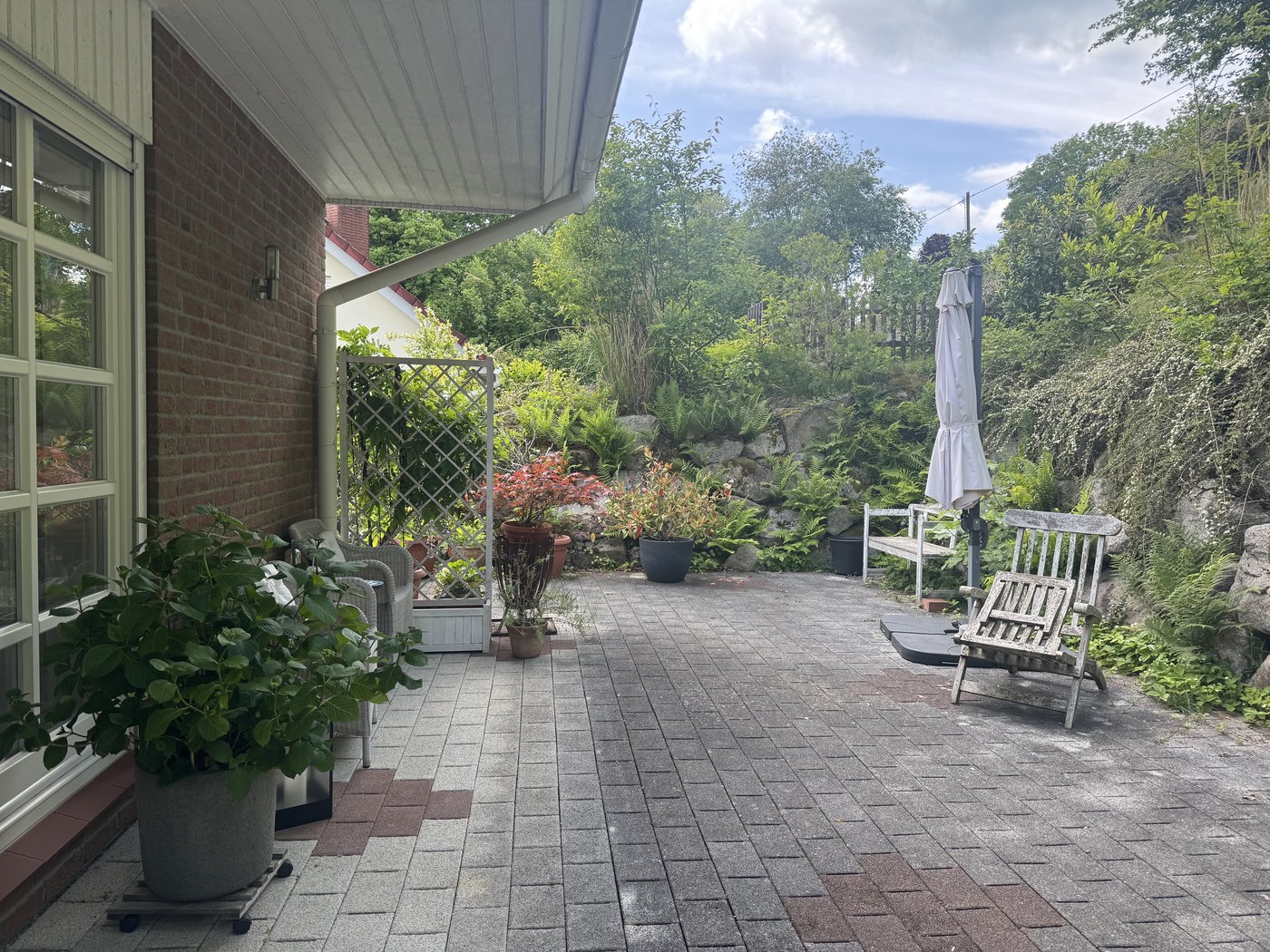
In this example, the agent asked the AI in a custom instruction to add a hot tub and a seating area with a rug to the terrace.
The pattern is clear. Agents use the AI for decluttering and staging, for brightening and repainting, less often for weather or garden work. What is nearly absent from the dataset are instructions meant to hide something. Where defects come up, the request is to clean or repair, not to cover up. A wave of doctored listing photos is not what this data shows.
What the data says about the market in 2026
AI has arrived in the German real estate business without being the great disruption the headlines promised. It solves everyday photo problems, gets used under supervision, and is consistently rejected the moment it oversteps its role. For the rest of 2026, the most important development is not a market date but a legal one: on August 2, Article 50 of the EU AI Act takes effect. The industry is well prepared in substance, because agents already draw this line in their editing practice today.
Key findings
-
1
96 percent hit the mark directly. Agents publish the AI edit in 96 percent of cases, usually on the first attempt. The AI extends the agent's eye rather than replacing it, and the fixes land.
-
2
The industry is prepared for the EU AI Act. What agents reject in practice matches exactly what Article 50 of the EU AI Act regulates from August 2, 2026: invented or altered structural features. Professional practice and the law draw the same line.
-
3
A workshop for everyday listings. AI solves exactly the problems every smartphone photo taken by an agent has: too little light, gray skies, empty rooms. What used to take hours in Photoshop is now a matter of minutes.
The exact effect of good photos on time-to-sale or price is a question this study cannot answer. Reliable independent figures are rare, and many circulating numbers come from vendors themselves without independent verification. We deliberately leave them out and stick to what our own data supports.
See it in practice
The before and after gallery shows real photos enhanced with Immopix. You can also enhance one of your own photos for free, or find answers to common questions in the FAQ.